

Financial Planning Essentials for Small Business Owners
Financial planning is crucial for every business, especially small ones. It helps you set a clear direction, anticipate potential challenges, and provide a concrete plan for making informed financial decisions to support growth and success. Small businesses with a solid financial planning are more likely to succeed. In this guide, we will cover the essential aspects of financial planning for small businesses so you can give your small business the best chance at success.
1. Understanding Financial Planning
Definition of Financial Planning
Financial planning involves creating a detailed strategy to manage your finances effectively, ensuring you can meet your short-term needs and long-term goals. It includes budgeting, forecasting, saving, and investing. A solid financial planning helps you stay on track, prepare for unexpected challenges, and achieve financial success.
Key Components of Financial Planning
Budgeting: Creating a detailed budget to monitor income and expenses.
Forecasting: Projecting future financial performance based on historical data.
Cash Flow Management: Ensure your business has enough liquidity to meet its obligations.
Risk Management: Identifying and mitigating financial risks.
Investment Planning: Strategically investing resources to generate growth.
Retirement Planning: Set retirement goals and create a savings strategy to ensure financial stability in your later years.
Tax Planning: Strategizing to minimize tax liabilities while staying compliant with tax laws.
Estate Planning: Arranging for the management and disposal of your estate, including wills, trusts, and inheritance planning.
Debt Management: Effectively handling and paying off debts to maintain financial health.
Complete our Strategic Wealth Blueprint: A MasterClass in Financial Planning course or Investment Mastery Bundle to elevate your skills.
2. Setting Financial Goals
Importance of Setting Financial Goals
Clear financial goals will guide your business’s financial decisions. They will help you allocate funds and measure performance. The aims might be short-term, e.g., improving your cash flow over the next three months, or longer-term, e.g., expanding your business to serve a new location over the next five years.
SMART Goals Framework
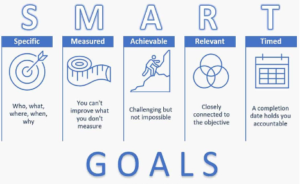
Using the SMART framework helps ensure your financial goals are effective:
Specific: Clearly define what you want to achieve.
Measurable: Establish criteria to measure your progress.
Achievable: Set realistic goals based on your resources.
Relevant: Ensure your goals align with your overall business objectives.
Time-bound: Set a deadline for achieving your goals.
For example, a SMART goal could be to increase monthly revenue by 20 percent in the next six months by launching a new marketing campaign and expanding the product line.
3. Budgeting and Forecasting
Creating a Budget
A budget is a financial plan that lists the amounts of income and expenses expected over some time. To prepare a budget, you should:
List All Sources of Income: Include sales revenue, loans, and other income streams.
Identify essential and non-essential expenses by distinguishing between what you need, like health insurance, and what you want, such as Netflix. Fixed expenses, like rent, stay the same each month, while variable expenses, such as utilities and supplies, fluctuate based on your usage or desires.
Track Actual Income and Expenses: Compare them against your budget to identify discrepancies.
Adjust as Needed: Regularly update your budget to reflect changes in your business environment.

Financial Forecasting
Financial forecasting is the process of predicting a company’s financial performance in the future using historical financial data and market trends. Good forecasting allows you to plan for growth, anticipate challenges, and make the right decisions. To forecast well, you should:
Analyse Historical Data: Analyzing past financial performance to identify trends and patterns that can inform future predictions.
Consider Market Trends: Considering current and anticipated market conditions, including industry growth, competition, and economic factors.
Use Financial Models: Employ tools and software to project future performance.
Revenue Projections: Estimating future sales based on past performance, market demand, and business growth strategies.
Expense Estimates: Forecasting future costs, both fixed and variable, to ensure accurate budgeting and financial planning.
Cash Flow Analysis: Predicting the flow of cash in and out of the business to maintain liquidity and address potential shortfalls.
External Factors: Accounting for external influences such as regulatory changes, inflation, or supply chain disruptions that could impact financial outcomes.
Business Goals: Aligning forecasts with your strategic objectives, such as expansion, new product launches, or market entry, to ensure financial readiness.
4. Cash Flow Management
Understanding Cash Flow
Cash flow involves tracking the money coming in and going out of your business. Positive cash flow means you can pay your suppliers on time, while negative cash flow indicates you might struggle to cover your bills, leading to liquidity problems. Keeping on top of cash flow requires:
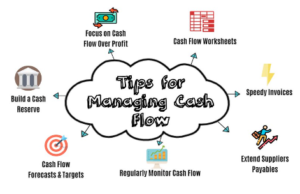
Monitoring Cash Flow Regularly: Keep a close eye on your cash flow statements.
Maintaining a Cash Reserve: Set aside funds to cover unexpected expenses.
Improve Receivables: Tactics that will accelerate the cash in your account, such as discounts for prompt payment.
Managing Payables: Negotiate favorable payment terms with suppliers.
Strategies for Managing Cash Flow
Forecast Cash Flow: Use cash flow forecasting tools to predict future liquidity.
Invoice Promptly: Send invoices as soon as services are rendered or products are delivered.
Cut Unnecessary Expenses: Identify and eliminate non-essential costs.
Optimise Inventory: Keep inventory levels in check to avoid tying up too much cash.
5. Financial Statements and Analysis
Key Financial Statements
Understanding and analyzing your financial statements is crucial for making informed decisions.
Income Statement: This shows your business’s revenues, expenses, and profits over a specific period, helping you assess profitability.
Balance Sheet: Provides a snapshot of your business’s assets, liabilities, and equity at a specific point in time, showing its financial position.
Cash Flow Statement: Details the cash inflows and outflows from operating, investing, and financing activities, helping you understand liquidity and cash management.
Statement of Retained Earnings: Tracks changes in equity by showing how much profit is retained in the business rather than distributed to shareholders.
Analysing Financial Statements
Analyzing financial statements helps assess how well the company is performing and its overall financial health. By examining these statements, you can identify trends, evaluate profitability, and make informed decisions about the business.
Profit Margins: It shows how much profit you make for every dollar of sales.
Liquidity Ratios: Measures your ability to meet short-term obligations.
Debt-to-equity Ratio: Assesses your business’s financial leverage.
You can use it to find your strengths and weaknesses, make informed decisions, and prepare for the future.
6. Risk Management
Identifying Business Risks
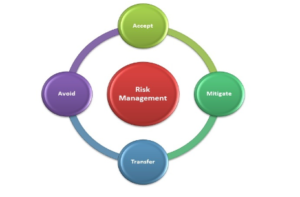
Identifying business risks involves recognizing potential challenges that could affect your company’s operations and financial health. This includes analyzing factors like market fluctuations, financial instability, legal issues, competitive pressures, and operational inefficiencies. By proactively assessing these risks, you can develop strategies to address and mitigate their impact on your business.
Strategies for Mitigating Risks
Diversification: Spread investments across different areas to reduce risk.
Insurance: Obtain appropriate insurance coverage to protect against significant losses.
Contingency planning: Develop plans for potential emergencies and unforeseen events.
7. Investment Planning
Importance of Investment Planning
Investment planning is crucial for achieving financial goals. It helps you allocate resources wisely to grow your wealth. Effective planning reduces risks and maximizes returns. It also ensures you have funds for future needs and emergencies. By planning investments, you can build a secure financial future.
Types of Investments
Short-term Investments: Generally less risky and tend to have quicker returns (money market funds, short-term bonds).
Long-term Investments: Higher risk but offer greater potential returns (e.g., stocks, real estate).
Business Investments: Investing in infrastructure, technology, and human resources to enhance business operations.
8. Tax Planning and Compliance
Understanding Tax Obligations
Tax plays a crucial role in any business as it affects your financial outcomes. Correctly handling taxes ensures smooth business operations, while errors can lead to penalties. This essay covers three key taxes small businesses must pay.
First is income tax, which applies to all salaries and business income. Keep receipts for all purchases, deduct allowable expenses from the total, and pay the government 30 percent of the remaining amount.
Next is sales tax, required for retailers, hairdressers, plumbers, and similar businesses. Calculate sales tax by adding 8 percent to the total amount due, then pay this amount to the government.
The final tax is the payroll tax, which applies if you have employees. Calculate it by multiplying the total weekly salary by 1.5 percent and paying this amount to the government.
Understanding and paying these three taxes is essential for small businesses to remain compliant and avoid penalties.
Strategies for Effective Tax Planning
Keep Accurate Records: Maintain detailed records of all financial transactions.
Use Tax Deductions and Credits: Do not leave a stone unturned regarding deductions and credits.
Check out our Financial Analysis Fundamentals course.
9. Utilising Financial Advisors and Tools
When to Seek Professional Help
Seek professional help when dealing with complex tax issues, significant life changes, or substantial investments. Consult a tax advisor if you face audits or disputes, or need guidance on maximizing deductions and credits. Professional advice is also crucial for navigating business taxes and comprehensive financial planning.
Financial Planning Tools
There are many tools and software that can help you in financial planning, budgeting, forecasting, and cash flow management:
QuickBooks: For accounting and financial management.
Xero: For cloud-based accounting.
Mint: For budgeting and personal finance management.
PlanGuru: For budgeting and forecasting.
Conclusion
Financial planning is crucial for the success and growth of any small business. By setting financial goals, creating a practical budget, monitoring cash flow, and using the right tools, you can keep your business financially healthy and ready for the future. Regularly review and adjust your plan to stay on track for long-term success.
← Previous
Top Crypto Accounting Software in 2024
Next →
Pass Functional Skills Qualification and Training Courses

About the Author
o7YkANULexdf
Professional educator and content writer at StudyMate Central, helping UK professionals advance their careers.